Persistence Against Prejudice: Striking, Adapting, and Surviving
Surviving in a foreign country requires flexible adaptation and eventual assimilation into the culture after a long period of time. Immigration from China into the United States experienced many stages of evolution against the historical backdrop of xenophobia and nativism. Honing in on the broad overview of what attracted the flow of Chinese people to the West, it is necessary to be able to visualize the lives and works of the migrants.
Chinese immigration to the United States was marked by substantial gender imbalance: a ratio of about 21 men for one woman. Consequently, this gender imbalance led to many bachelor societies and surrogate families. Chinese immigrants developed family networks with others in their surroundings not related by blood. This helped form societies in Chinatown that provided housing, financial support, and protection in a foreign environment. The initial immigrants assumed that they would only be in the United States for a short period of time and left their wives in China with their parents. The Page Law of 1875 was a piece of legislation that prevented the immigration of prostitutes, criminals, and forced laborers on the surface. In reality, it was used to target the immigration of Chinese women. As time passed, these immigrants wanted to bring their wives over, but President Chester A. Arthur approved the infamous Chinese Exclusion Act of 1882. This act required Chinese immigrants to provide certificates from the Chinese government that proved their eligibility to immigrate. If they went back to China, they also had to reenter with a certificate. Moreover, it refused citizenship for Chinese residents. Subsequent discriminatory acts were passed to limit Chinese immigration, such as the Johnson-Reed Act in 1924, which established quotas. These exclusion acts also caused stronger transnational families: the husband would work for money and send remittances back home, while the wife took care of the family in China. Chinese immigrants not solely aimed to assimilate to American society, but rather sought to use resources in America to improve their social standings at home. Many aimed to return home after earning enough money to start businesses in China, not knowing that a series of exclusion acts and endless labor would lead to long-term settlements. Nevertheless, wives were burdened with the responsibility of household management even while suffering from emotional isolation, and many children grew up without knowing their fathers in-depth, creating generational disconnect.


Cheap Chinese laborers in factories also fueled nativist sentiments. Chinese immigrants occupied low-status jobs in segmented firms like woolens, which are small-scale businesses in charge of one specific stage of production. In contrast, white people made up the high-status workforce. Due to firm-to-firm competition, white factory workers had to hire cheap Chinese labor to compete with Chinese businesses. Nonetheless, as Chinese laborers gained experience, learned English, and started forming their own labor associations, the wage gap decreased. Eventually, white factory owners stopped defending Chinese laborers and allowed for exclusion acts to be passed.
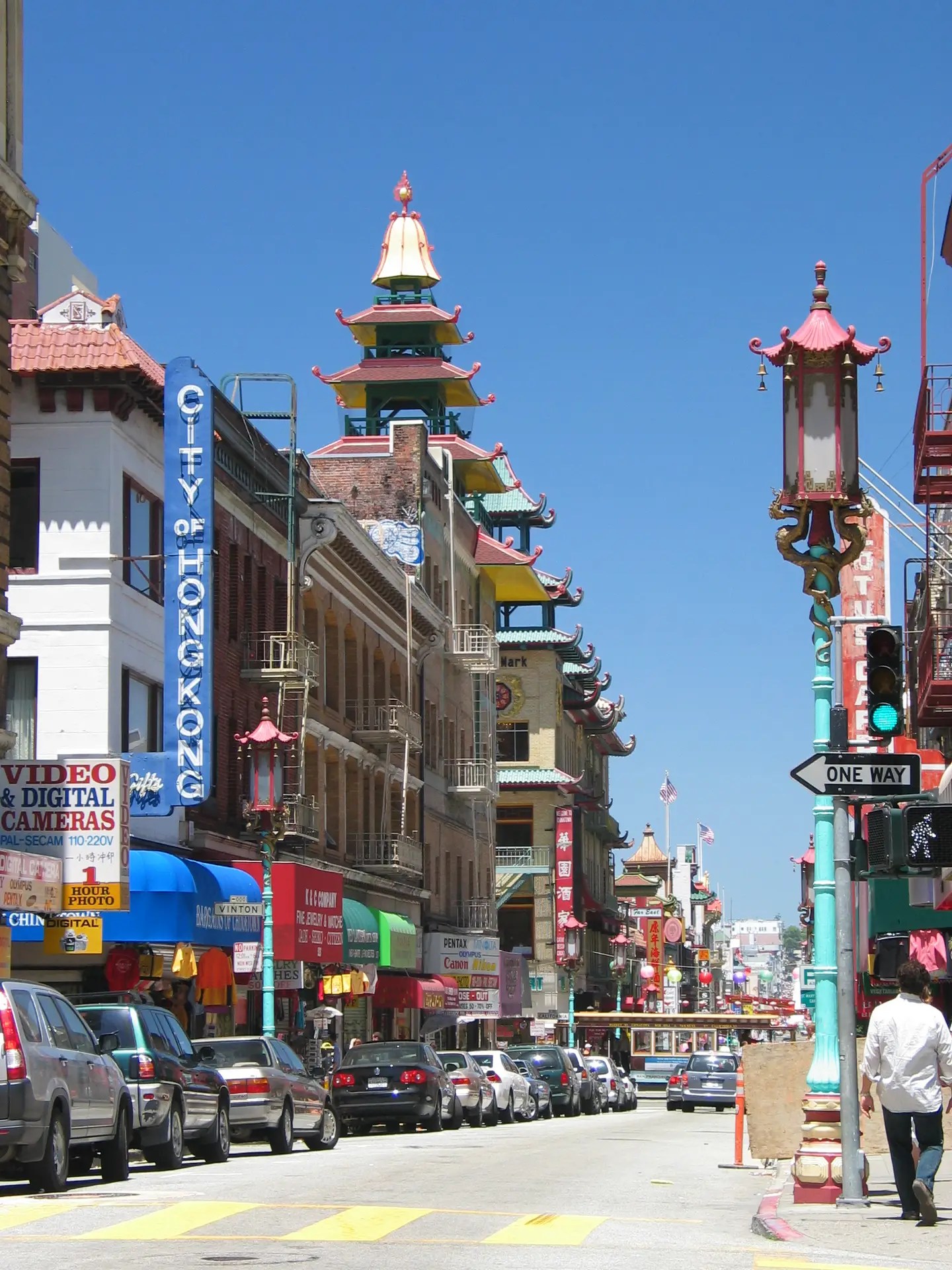
Discussions of the California Gold Rush and Transcontinental Railroad would be incomplete without the narratives and contributions of Chinese migrants. These migrant laborers banded together in tight communities. They maintained organization and discipline while facing harsh working conditions and discrimination. Facing hostility and exclusion, these workers pooled the money they earned to buy fresh, nutritious foods to sustain a traditional Chinese diet, boiled their water and drank tea that aided the prevention of contracting illness from contaminated water, and held themselves to high hygiene expectations. Near the California Gold Rush arose San Francisco’s Chinatown. Many immigrants opened up small businesses there, like restaurants. At first, they faced accusations and stereotypes created by white labor unions and media propaganda portraying them as lesser human beings for eating cats, dogs, and rats. To retaliate and break down initial stereotypes, Chinese restaurant owners cooperated with Chinese diplomats to target influential and elite white people. They opened up high-end banquets to rebrand the idea that visiting Chinese restaurants marked sophistication. Moreover, they adapted Chinese foods to suit American tastes, which resulted in the popularity of chop suey houses.



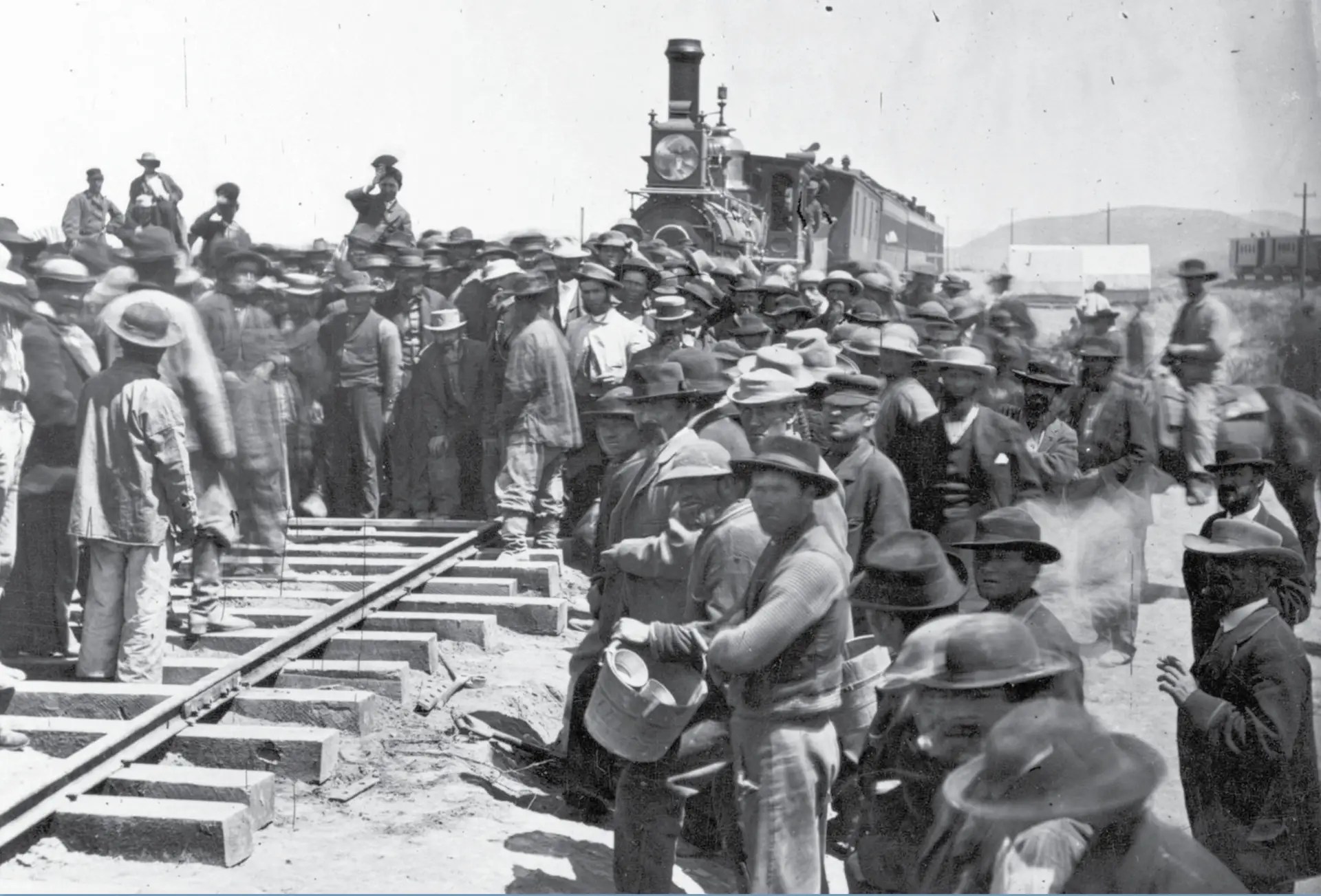
The work of transcontinental railroad workers meant dangerous conditions, including explosions and landslides. Initially, the Central Pacific Railroad (CPRR) was reluctant to hire Chinese immigrants due to anti-immigrant sentiments. Soon, these immigrants obtained a reputation for being efficient, reliable, and resilient. Still, they worked for 30% less than their white counterparts. Yet while these Chinese immigrants tried their best to assimilate into their new environment, they stood up for their own rights as well. They organized strikes for higher pay and reduced work times. To demonstrate, the 1867 Chinese Labor strike was an eight-day labor strike performed by about 3,000 Chinese railroad workers. The accumulated dissatisfaction of intense labor and low pay erupted after a massive tunnel explosion on June 19, 1867, causing the deaths of one white worker and five Chinese workers. This was a non-violent strike based on Confucius’ teachings. Ultimately, the strike ended after food, supplies, and transportation were cut off for the camps that the workers lived in and the threat of no pay for June. In spite of the workers’ apparent initial defeat, the strike wasn’t a complete failure. The company raised the wages of some workers and reduced the original eleven-hour workday discreetly in the following months. This event demonstrated that Chinese laborers were not going to be compliant and submissive when confronting mistreatment. In addition, this strike inspired more acts of resistance from Chinese laborers under other railway projects.


In the United States, Chinese immigrants in the nineteenth and twentieth centuries aspired for a better life through dedication in their work, collaboration and support with one another, and strategic moves against anti-immigrant sentiments. In the contemporary period, immigration from China to the United States continues to rise. The spirit of our predecessors is preserved in the Chinese American community.