Mercantilism and Crisis: The Outbreak of the First Opium War
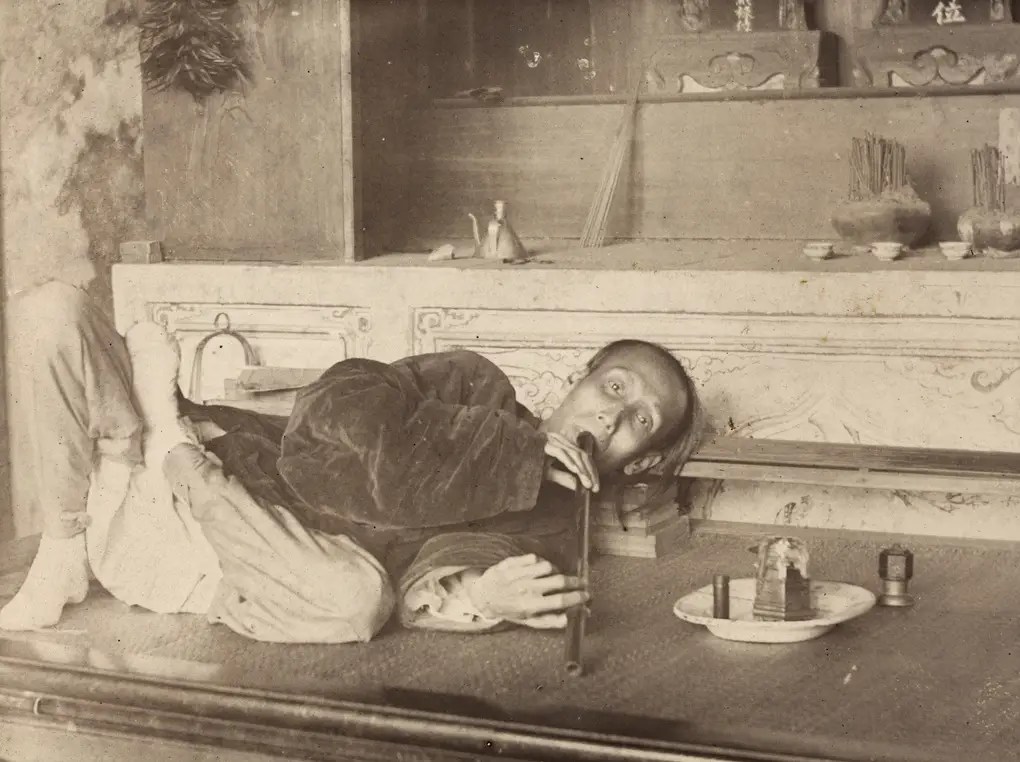
From the 16th to 18th centuries, an economic policy called British mercantilism laid the foundation for British imperial wealth. If trade was imbalanced (one country importing more than it exported), the British tried to achieve stability and even a favorable trade balance by exporting more than it imported in order to gain profit. This is exactly what Britain aimed to do with opium. Opium production increased significantly during the 18th century. The East India Company and other private British companies used the opium found in India and indirectly sold it to China. The demand for opium came from the Chinese people’s request for opium. This drug was used in everyday life for socializing, educational purposes (supposed to help students clear their heads), demonstrating wealth, and leisure. It was not seen as a drug, but an everyday necessity.

Previously, I mentioned that China did not desire anything from the West. However, there was one thing that China sought: silver. Under normal circumstances, there would not have been a severe silver outflow from China despite the opium trade because of Westerners’ reliance on Chinese goods that provided enough silver inflow. However, the Mexican War of Independence (1810-1821) led to a decline in global silver production. The British merchants possessed an insufficient amount of silver for importing Chinese goods and consequently increased illegal opium export. As a result, while overall silver production remained stagnant, silver continuously flowed out of China into the West in exchange for opium. Moreover, there were particular types of silver coins that the Chinese market preferred, like the Mexican Republican dollar. High specificity and the decline in the supply of these trusted coins disrupted trade efficiency. China, which normally received large amounts of silver every year, was beginning to see silver inflation as less and less became available. Aiming to resolve the physical shortage of silver, Chinese merchants adapted and relied on financial tools like bills of exchange. This allowed China’s exports of tea and silver to continue growing simultaneously as the opium trade flourished.

Graph examining silver flow in and out of China.
Graph based on data from Alejandra Irigoin, Atsushi Kobayashi, and David Chilosi, “China inside out,” 2025 via Figshare. Used under CC BY 4.0.
At around the same time that China suffered from internal uprisings like the White Lotus Rebellion, opium addiction, and silver outflow, the East India Company also lost its monopoly in China. This directly led many private businesses from Britain, America, and other countries to try to establish trade under the Canton system. As more and more people sought fortune and opportunity in China, the competition rose immensely. Competition paired with the Qing government’s strict regulations on opium made many people dissatisfied with the current system. More and more frequently, they requested access to additional ports and freedom in trade.
Internally, the Qing government was also debating whether or not to legalize opium. This caused some foreigners to believe that their illegal trade could potentially become legal in the future. Nevertheless, reality hit hard with the even tighter opium regulations and attempt at opium removal by the Emperor Daoguang (道光, 1782-1850). He appointed Lin Zexu (林则徐,1785-1850), previously governor-general of Huguang, governor of Jiangsu, and governor of Shaanxi, as Imperial Commissioner to be dispatched to Canton for eliminating the opium trade. Lin Zexu’s arrival at Canton marked the final straw that pushed the private traders to add fuel by beseeching the Parliament and royal family to declare war.


Lin Zexu took an aggressive stance against the opium trade. He performed crackdowns and blockades in an urgent manner to eradicate further opium transactions. Starting from June 3, 1839, he commenced a 23-day period of illegal opium destruction. Workers dug three trenches that were about 150 feet long, 75 feet wide, and 7 feet deep. These trenches had stones and timber surrounding their surface and were filled with creek water. The confiscated opium was dissolved in these trenches. Next, they added salt and lime for chemical reactions that would be able to burn the raw opium. Finally, the destroyed opium would be directed and let out to the sea. An estimated 2.6 million pounds of opium were burned.
The crackdown on opium is praised in modern Chinese history. Besides Lin Zexu’s contributions to eliminating opium, he was also one of the pioneering Chinese officials to study Western technology, politics, and geography. He authorized the translation of many foreign works, including newspapers and books, and promoted China’s military defense by utilizing Western cannons and ships. On the other hand, Lin Zexu’s determined and decisive attitude towards handling the opium problem also sparked military retaliation from British merchants.
Ultimately, the opium war was a result of trade inequality, Great Britain condoning the illegal opium trade resulting in its prevalence in China, China’s firm stance against the opium trade, as well as Britain’s hope to be seen on equal footing with China. Unquestionably, the Opium War is immoral and unethical.

